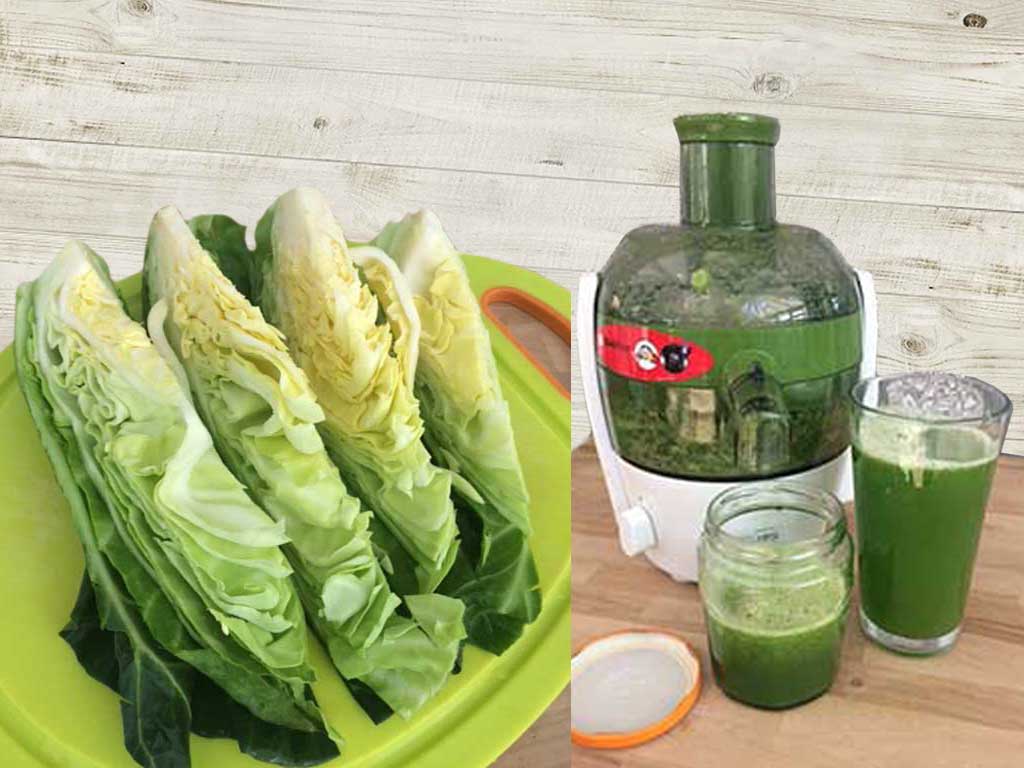
Cabbage juice is traditionally used for stomach health to protect the gut lining and support a healthy microbiome,
Learn more about the key benefits and making your own fresh cabbage juice
Cabbage juice is traditionally used for stomach health due to its anti-inflammatory properties and compounds like Vitamin U (S-Methylmethionine), that may help heal stomach ulcers and protect the gut lining and support a healthy microbiome. It's rich in Vitamins C and K, antioxidants, minerals, and sulfur compound and prebiotics, potentially aiding digestion, reducing inflammation (like colitis), and promoting gut barrier integrity.
Key Benefits:
- Rich in Antioxidants: Loaded with Vitamin C and anthocyanins (especially in red cabbage) that fight free radicals, reduce cell damage, and lower inflammation linked to chronic diseases.
- Anti-Inflammatory: Compounds like Vitamin U (S-Methylmethionine), sulforaphane and antioxidants to help combat inflammation in the body and gut.
- Digestive Health: Supports gut lining, promotes good gut bacteria, and may help heal stomach ulcers, with some studies showing rapid healing, though please do your own research.
- Immune Support: High Vitamin C content strengthens the immune system and aids iron absorption.
- Heart Health: Potassium helps manage blood pressure by flushing out excess sodium, and anthocyanins reduce heart disease risk.
- Detoxification: Sulfur compounds support the liver's natural detoxification processes, helping eliminate toxins.
- Juiced cabbage is great as it's low in fibre compared to whole cabbage, but concentrates other nutrients.
- Nutrient-Dense: Provides vitamins (C, K, A) and minerals, contributing to bone health and overall wellness.
Considerations:
- Take care if you you have IBS-D as it can worsen this condition . It may help with constipation-dominant IBS but might worsen diarrhea-dominant IBS.
- Don't drink too much as it can cause gas and stomach cramps.
- Also be mindful and consult your doctor is you suffer with any Thyroid condition .
- It can interact with medications, particularly blood-thinning medications.
- Always consult your doctor or a registered dietitian before making significant changes to your diet, especially if you have a pre-existing condition or are taking medication.
How to make your own cabbage Juice
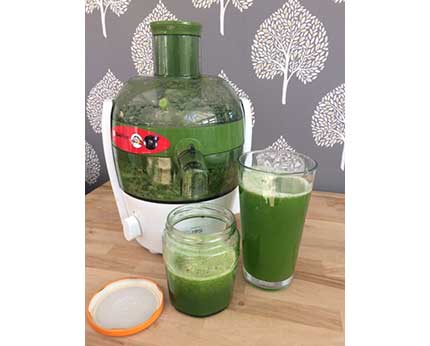
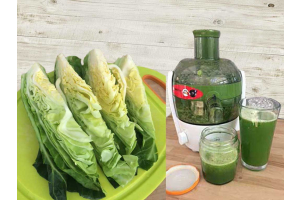
There are lots of recipes out there to make your own cabbage juice, some add carrots , celery and even a splash of lemon. I like to keep it simple and just use a sweetheart variety of cabbage, nothing more. Choose one that is as fresh as possible with no brown spots. Again some people will use a blender or even boil the cabbage first and drink the cabbage water. I like to use a juicer , as it removes most of the fibre and keeps it super fresh.
A few notes and hints before you start
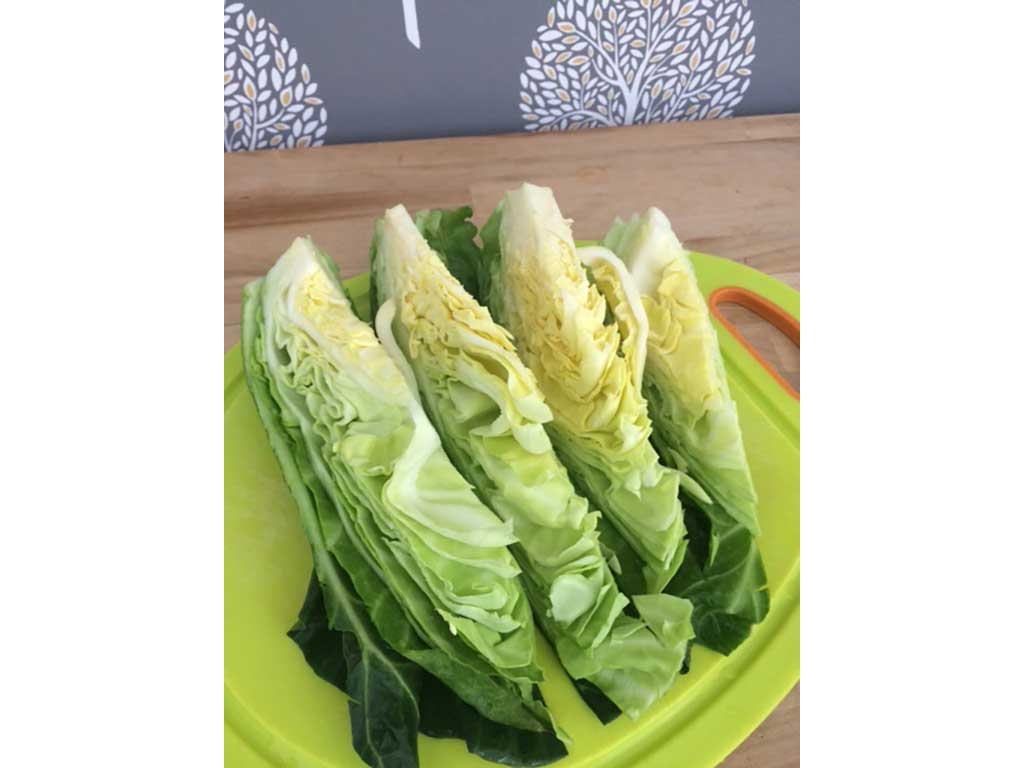
- When preparing the cabbage, make sure that it is cut into chunks that can fit into your juicers' feeding chute.
- For storage, I like to use glass jars, make sure that they are super clean - It's important that they are sterilised first . ( I wash them in hot soapy water, rinse well, and then sterilise them by either heating them in a low oven (around 140-160°C) on a baking tray for 10-15 minutes (leaving them wet) or by simmering them in a large pot of boiling water for 10 minutes; keep them hot and dry until ready to fill, sterilising lids separately in boiling water. Take care when lifting them out of the oven or pan)
- Cleaning up the juicer afterwards can take a bit of time, so make sure that you are not in a rush.
- I compost the pulp outside and don't put in my food caddy as it can have a very strong smell, particularly is left for a couple of days.
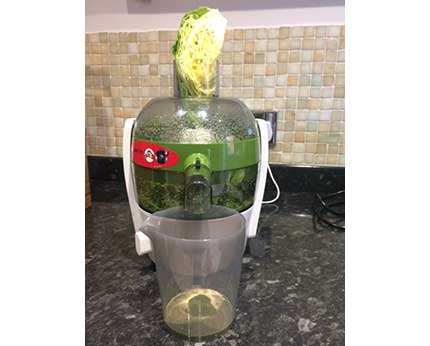
I will juice 1 to 2 cabbages at a time, no more, as you want to keep it as fresh as possible.
How to use the cabbage Juice
The first time of drinking this, you will think ughh! Dont be put off , you do get used to the taste. Also don't drink a full glass, it's way too much. Again to begin with, pour about 30ml - 50ml or so, at the most, into a glass and add cold water, as its easier to drink this way. Give your body time to adjust. Small amounts twice a day. The key thing is to listen to your body.
Store in the fridge, stir before pouring out the required amount.
Personally I only drink this when needed, and don't drink it everyday. I usually drink it for approximately 2 weeks at a time and then only as and when I feel I need it.